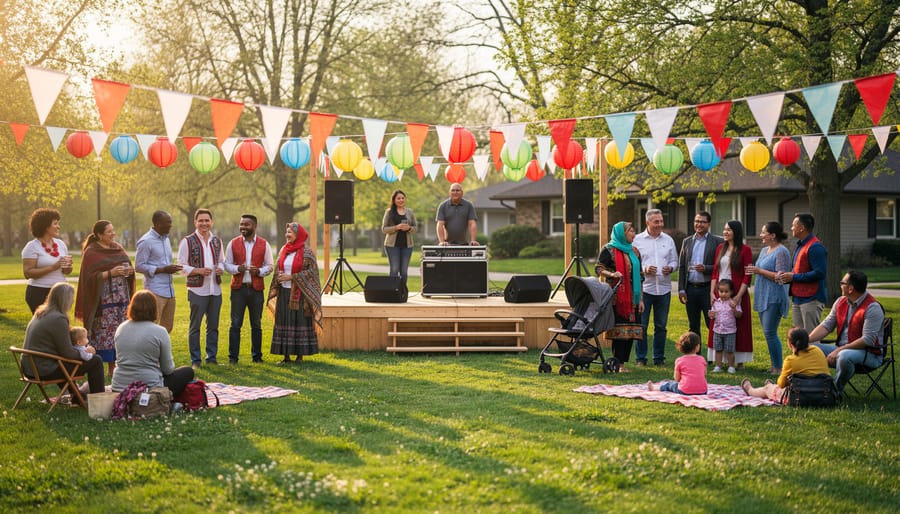
Asian Heritage Month takes place every May in Canada, a nationwide celebration recognizing the rich contributions, vibrant cultures, and diverse histories of Asian Canadian communities. From coast to coast, the month transforms into a kaleidoscope of festivals, cultural performances, educational workshops, and community gatherings that invite all Canadians to participate.
What started as Asian Heritage Week in Ontario grew into a federally recognized month-long observance in 2002, reflecting the growing presence and influence of Asian Canadians across the country. Today, more than 6 million Canadians trace their roots to Asia, representing nearly one in five people nationwide. May was chosen deliberately to commemorate two significant milestones: the arrival of Japanese immigrants to Canada in May 1877 and the completion of the Canadian Pacific Railway in May 1885, built largely by Chinese laborers.
The timing creates perfect opportunities for spring outdoor festivals, school programs before summer break, and workplace diversity initiatives. Community centers, libraries, museums, and cultural organizations launch programming throughout the month, though peak activity typically clusters around mid-May weekends when weather cooperates and families can attend together.
Understanding when specific events happen within May helps you plan meaningful participation, whether you’re an educator designing curriculum, a family seeking cultural experiences, or someone hoping to support local Asian-owned businesses and artists during this important recognition period.
Quick Answer: Asian Heritage Month Takes Place Every May
Asian Heritage Month is celebrated every May in Canada, running from May 1 to 31 each year. The federal government officially designated May as Asian Heritage Month in 2002, recognizing the significant contributions of Asian Canadians to the country’s history, culture, and economy. This month-long celebration provides communities across Canada with a consistent annual window to organize cultural festivals, educational programs, art exhibitions, and other events that honor the diverse traditions and achievements of Canadians of Asian descent.
The consistency of the May timeframe allows individuals, schools, businesses, and community organizations to plan ahead and build participation into their annual schedules. Whether you’re attending a dragon boat festival, visiting a cultural exhibition, or joining an educational workshop, you can expect programming throughout the entire month, with many organizations concentrating their major events during mid-May weekends to maximize community attendance.
The May Celebration Window: What to Expect Throughout the Month
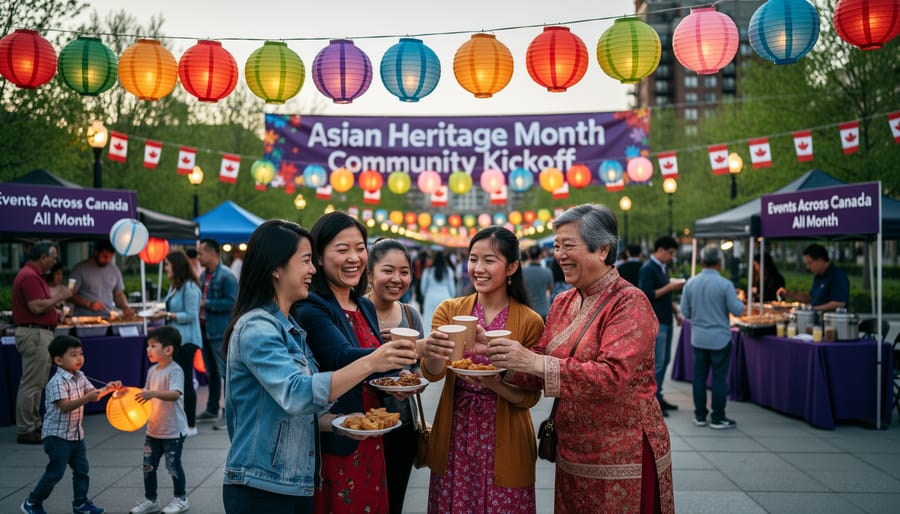
Early May: Kickoff Events and Official Proclamations
The first week of May marks the official start of Asian Heritage Month across Canada, with government and community leaders kicking off celebrations through ceremonial events. City halls, provincial legislatures, and community centers typically host flag-raising ceremonies during the first few days of the month, where Asian Canadian flags are hoisted alongside national and provincial flags. These symbolic gestures acknowledge the contributions of Asian communities and set the tone for weeks of programming ahead.
Mayors and premiers issue official proclamations recognizing Asian Heritage Month, often delivered at public gatherings that bring together community leaders, elected officials, and residents. Many municipalities schedule these proclamation ceremonies for May 1st or the first Monday of the month, making them accessible for media coverage and public attendance. Community organizations coordinate opening receptions, panel discussions with prominent Asian Canadians, and cultural showcases that introduce the month’s full calendar of events.
These early-May launches serve a practical purpose: they build awareness before the peak programming begins and give organizers a platform to promote upcoming festivals, workshops, and exhibitions scheduled throughout the rest of the month.
Mid to Late May: Peak Programming and Community Festivals
The middle weeks of May typically bring the richest tapestry of Asian Heritage Month programming across Canada. Community organizers concentrate their largest festivals, cultural showcases, and signature events during this period, roughly from the second weekend through the fourth, when momentum builds and public awareness peaks.
You’ll find weekend calendars packed with outdoor night markets, pan-Asian food festivals, and multi-day cultural celebrations. Vancouver’s Chinatown, Toronto’s Scarborough district, and Calgary’s International Avenue host their biggest events during these weeks, knowing families can attend without school or work conflicts. Art galleries schedule exhibition openings for mid-month Friday evenings, while community centers fill Saturday and Sunday schedules with cooking demonstrations, traditional dance performances, and hands-on craft workshops.
This concentration serves a strategic purpose: it creates critical mass. When multiple events happen within the same weekend or week, media coverage intensifies, word spreads faster through social networks, and first-time attendees who visit one event often discover others nearby. The clustering effect transforms May’s middle stretch into a genuine celebration season rather than scattered individual programs.
What Influences When Asian Heritage Month Events Are Scheduled
The Victoria Day Long Weekend Effect
Victoria Day falls on the third Monday in May, typically landing between May 18-24. This long weekend creates a natural split in how organizers schedule Asian Heritage Month programming across the country.
Many festivals capitalize on the three-day weekend to host larger outdoor celebrations. The extended timeframe allows families to attend without work conflicts, and organizers can plan multi-day events with evening performances, daytime workshops, and food festivals that draw bigger crowds. Vancouver’s Chinatown festival often anchors around this weekend, as do several cultural celebrations in the Greater Toronto Area.
However, the long weekend also presents challenges. Families frequently travel or head to cottages, especially if weather cooperates. This exodus means events scheduled for Victoria Day weekend might see lower turnout than mid-May programming. Community centers and schools close, limiting venue options.
Smart organizers work around this by front-loading major events into the first two weeks of May or saving flagship celebrations for the final week. Some communities deliberately plan smaller, intimate gatherings during Victoria Day, reserving ambitious festivals for weekends when audiences stay local.
Regional and Local Calendar Considerations
Different regions across Canada take varying approaches to scheduling Asian Heritage Month events based on their unique local circumstances. In British Columbia, milder May weather allows organizers to plan outdoor festivals throughout the month, while Prairie provinces often concentrate major events in the final two weeks when temperatures are more reliably warm. Atlantic provinces sometimes adjust programming around fishing season commitments that affect coastal communities.
School calendars significantly impact timing decisions. Cities like Toronto and Vancouver coordinate major educational programming for mid-May when students are still engaged but before exam periods begin. Montreal organizers navigate around the provincial moving day on July 1st by front-loading community events in early May to avoid volunteer burnout.
Competing cultural celebrations also shape the calendar. Communities with large South Asian populations might schedule Southeast Asian programming earlier in May to avoid overlap with events leading up to Vaisakhi. Indigenous Peoples’ Day in the Northwest Territories influences when northern communities schedule their events.
Local organizers monitor their city’s festival calendar to ensure Asian Heritage Month activities don’t compete with established community events that draw similar audiences.
How Asian Heritage Month Celebrations Unfold Across Canada
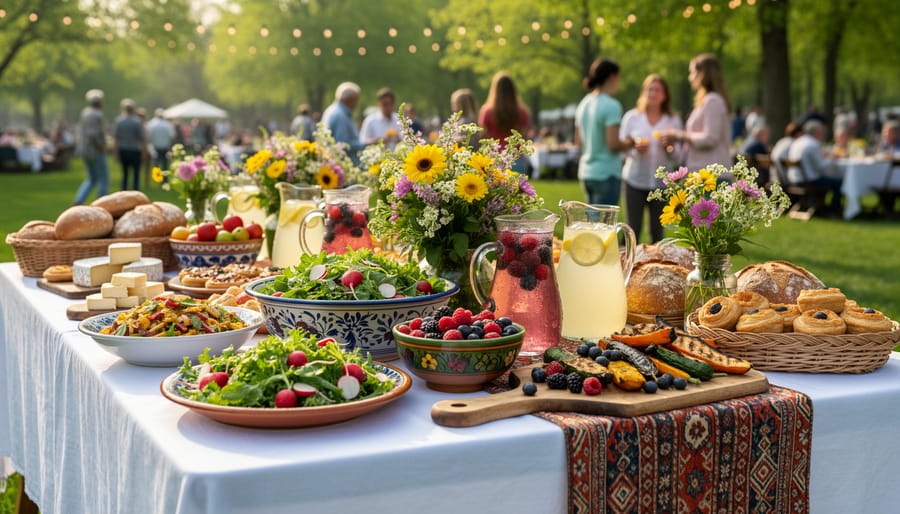
Asian Heritage Month transforms communities from coast to coast through a remarkable spectrum of events that honour the breadth of Asian Canadian experiences. From Vancouver’s vibrant street festivals to Toronto’s intimate tea ceremonies, Halifax’s cultural workshops to Calgary’s art exhibitions, each region brings its own flavour to May’s celebrations while collectively painting a national portrait of Asian Canadian identity and contribution.
The programming throughout May reflects the incredible diversity within Asian communities themselves. Chinese Canadian organizations might host calligraphy workshops and lion dances, while South Asian groups organize classical dance performances and Bollywood film screenings. Filipino communities share traditional music and cuisine, Japanese cultural centres offer ikebana demonstrations, and Korean associations host K-pop dance classes. Vietnamese, Thai, Cambodian, Indonesian, and dozens of other communities contribute their distinct traditions, creating a tapestry of cultural exchange that makes every week of May rich with learning opportunities.
- Cultural Festivals
- Large-scale outdoor celebrations featuring food vendors, live performances, artisan markets, and family activities that showcase multiple Asian cultures in one location.
- Heritage Walks
- Guided tours through historic Asian Canadian neighborhoods, exploring immigration stories, architectural landmarks, and the evolution of community spaces over generations.
- Film Screenings
- Curated showcases of Asian cinema, documentaries about Asian Canadian experiences, and panel discussions with filmmakers exploring cultural narratives.
- Educational Workshops
- Hands-on sessions teaching traditional crafts, languages, cooking techniques, or cultural practices, often led by community elders and cultural practitioners.
- Youth Programs
- Activities designed for young people, including heritage summer camps, mentorship sessions, identity exploration workshops, and intergenerational storytelling events.
Major cities anchor the month with signature events that draw thousands. Vancouver’s annual celebration at Robson Square typically features multiple stages of performances, while Toronto’s programming spreads across the city with everything from night markets to museum exhibitions. Montreal integrates Asian heritage programming into existing cultural venues, and Edmonton’s communities collaborate on shared festivals that highlight pan-Asian connections.
Smaller communities prove equally creative within their resources. A prairie town might organize a single compelling afternoon of cultural sharing at the local library. A Maritime city could partner schools with community groups for student-led heritage projects. These intimate gatherings often foster deeper conversations and connections than massive festivals, making participation accessible regardless of where you live.
Finding Events in Your Community During May

Finding events in your community during May doesn’t require an elaborate search strategy. Most organizations make their Asian Heritage Month programming easy to discover if you know where to look.
Start your search well before May arrives, since many organizations finalize their calendars in March and April. Here’s how to build a comprehensive picture of what’s happening in your area:
- Check your municipal and provincial heritage or multiculturalism websites, which often maintain centralized calendars of official Asian Heritage Month events and activities
- Follow local Asian cultural organizations on social media platforms, as they typically announce their programming weeks in advance and share updates about partner events
- Visit community centers and public libraries in person or online, where staff often display event posters and maintain information desks with printed calendars of cultural programming
- Monitor dedicated event pages on Facebook and Eventbrite, searching terms like “Asian Heritage Month” plus your city name to find both large festivals and intimate workshops
- Sign up for cultural newsletters from organizations like the Chinese Canadian National Council, Japanese Canadian Cultural Centre, or South Asian community associations active in your region
Don’t overlook smaller venues that host meaningful programming. Universities and colleges frequently organize student-led celebrations, panels, and film screenings that welcome community members. Cultural centers in suburbs and smaller cities often schedule events that draw less attention than downtown festivals but offer equally rich experiences.
Create a personal calendar once you’ve identified interesting events. Note whether activities require registration or tickets, since popular workshops and performances fill up quickly. Some organizations release tickets in late April, while others operate on a first-come, first-served basis at the door.
If you’re planning to attend multiple events, map them geographically. Clustering activities by neighborhood on the same day maximizes your time and reduces travel between venues across the city.
Keeping the Celebration Going Beyond May
Year-Round Ways to Support Asian Canadian Communities
Supporting Asian Canadian communities shouldn’t stop when June arrives. You can make a meaningful difference throughout the year by choosing to shop at Asian-owned restaurants, grocery stores, and businesses in your neighborhood, your dollars directly strengthen these enterprises and the families behind them. Attend cultural festivals, film screenings, and performances beyond May to deepen your understanding of diverse Asian traditions. Consider volunteering with local community organizations that serve Asian Canadian populations, from newcomer settlement services to cultural centers that need event support and program assistance.
Educate yourself about the ongoing challenges Asian Canadians face, including racism in Canada and speak up when you witness discrimination. Follow Asian Canadian artists, writers, and thought leaders on social media to stay connected with their perspectives year-round. When opportunities arise, advocate for policies that promote equity and representation in your workplace, school board, or local government. These consistent actions create lasting change far beyond a single month of celebration.
Common Questions About Asian Heritage Month Timing
Over the years, we’ve noticed the same questions come up as communities plan their participation and individuals look for clarity on timing. Here are straightforward answers to help you navigate Asian Heritage Month’s calendar.
Why is Asian Heritage Month celebrated in May?
Parliament officially designated May as Asian Heritage Month in 2002, building on grassroots celebrations that had already taken root in communities across Canada. The timing reflects when many early organizing groups held their events, and May’s weather supports the outdoor festivals and gatherings that have become celebration staples.
Is Asian Heritage Month observed every year?
Yes, Asian Heritage Month happens every May without exception. It’s a permanent designation on Canada’s cultural calendar, running annually from May 1 through May 31.
Do all provinces and territories participate?
While the federal designation covers all of Canada, the scale and nature of celebrations vary by region. Major urban centres typically host extensive programming, while smaller communities may organize more intimate events or partner with regional organizations.
Can non-Asian Canadians participate in Asian Heritage Month events?
Absolutely. These celebrations welcome everyone interested in learning about and honouring Asian Canadian cultures. Most events are specifically designed to be inclusive spaces where all Canadians can engage, learn, and celebrate together.
How far in advance are events typically announced?
Major festivals and institutional programming usually appear on calendars by late March or early April, though some community groups finalize details closer to May. Checking local event listings in mid-April gives you the best overview of what’s planned.
What if I can’t attend events during May?
Missing May doesn’t mean missing out entirely. Many cultural centres, museums, and community organizations offer Asian cultural programming throughout the year, and the connections you make during heritage month can lead to year-round engagement opportunities.
These timing questions reflect practical concerns about participation. The month’s fixed placement in May makes planning straightforward once you know where to look for announcements in your area. Most organizers understand that busy schedules mean not everyone catches every event, which is why many design their programming to offer multiple entry points throughout the month and maintain cultural initiatives beyond May’s boundaries.
Asian Heritage Month every May isn’t just a date on the calendar, it’s an invitation to deepen your understanding of the vibrant Asian Canadian communities that shape our country. Whether you attend a festival, join a workshop, or simply learn something new about a culture different from your own, you’re building intercultural competence that strengthens our communities year-round.
Mark your calendar for next May, but don’t wait until then to get involved. The work of celebrating diversity, addressing issues like racism and mental health and supporting Asian Canadian voices continues every day. Connect with local cultural organizations now, volunteer for upcoming events, or reach out to planners who are already shaping next year’s programming. The connections you make and the appreciation you develop this May can become part of how you engage with your community all year long.