Journals focused on intercultural education serve as bridges between academic research and the classrooms, community centres, and workplaces where Canadians from different backgrounds come together every day. These peer-reviewed publications document what actually works when educators teach diverse student bodies, examine how newcomers navigate school systems, and explore the challenges and breakthroughs that happen when cultures meet in learning spaces. For researchers, they’re essential resources for staying current with theories and methodologies. For teachers and community workers, they offer evidence-based strategies drawn from real schools and programs across Canada and beyond.
Think of a Grade 3 teacher in Surrey, British Columbia, facing a classroom where students speak fifteen different home languages. Or a settlement worker in Halifax helping Syrian refugees understand parent-teacher interviews. These practitioners need more than good intentions. They need proven approaches, and that’s exactly what intercultural education journals provide.
The landscape has shifted considerably since 2020. What once focused primarily on ESL strategies and multicultural festivals has evolved into sophisticated examinations of anti-racism pedagogy, Indigenous ways of knowing, and how digital learning platforms can either bridge or widen cultural divides. Recent studies document everything from how Punjabi-speaking parents engage with Ontario’s school system to reconciliation efforts in prairie classrooms.
Academic journals might sound intimidating, but many Canadian universities and public libraries offer free access to these publications. The research published in them comes directly from Canadian communities, tracking real students, real challenges, and real solutions. Whether you’re writing a thesis on educational equity or simply trying to make your newcomer students feel welcome on Monday morning, these journals translate lived experience into knowledge that moves the field forward.
What Makes a Journal Focused on Intercultural Education

Intercultural education journals occupy a unique space in academic publishing. Unlike mainstream education journals that might occasionally touch on diversity issues, these specialized publications make cultural exchange, adaptation, and understanding their central focus. Every article, research study, and case analysis grapples with questions that matter deeply in our multicultural reality: How do we teach across cultural differences? What helps newcomers feel they belong? How can educational institutions become truly inclusive spaces?
These journals publish work that ranges from theoretical frameworks to hands-on classroom strategies. You’ll find research on intercultural competence development alongside studies examining settlement program effectiveness. Articles might explore anti-racism curricula in Vancouver schools, Indigenous knowledge integration in Ontario universities, or language acquisition strategies that honour students’ first languages. The scope deliberately crosses boundaries, between K-12 and higher education, between formal schooling and community learning, between policy analysis and lived experience.
What sets these journals apart is their insistence on bridging theory and practice. A strong intercultural education article doesn’t just present research findings in isolation. It connects academic insights to real classrooms, community centers, and settlement agencies where people are doing the daily work of building understanding across cultures.
- Intercultural Competence
- The ability to communicate effectively and appropriately with people from different cultural backgrounds, combining knowledge, attitudes, and skills. It develops through genuine engagement, not just exposure.
- Cultural Responsiveness
- An educational approach that recognizes and builds upon students’ diverse cultural backgrounds as strengths rather than barriers. It adapts teaching methods to reflect and honour different cultural learning styles and values.
- Dialogical Pedagogy
- A teaching philosophy based on genuine two-way conversation where knowledge is co-created between educators and learners. It challenges the traditional model of teachers as sole knowledge holders.
The audience for these journals reflects this practical orientation. Readers include university researchers, classroom teachers adapting their methods, settlement workers designing orientation programs, and policy makers shaping multicultural initiatives. The best journals recognize this diversity and publish in ways that serve both academic rigor and practical application.
The Real Impact: Stories from Canadian Classrooms and Communities
When Theory Meets the Classroom

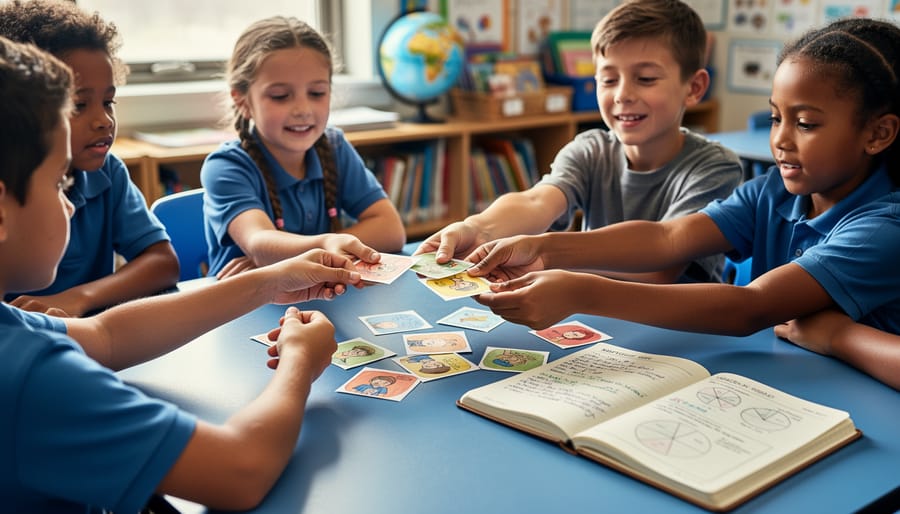
At a middle school in Surrey, British Columbia, teacher Maya Chen introduced “culture circles” after reading about dialogue-based pedagogy in an intercultural education journal. Rather than the traditional show-and-tell approach to diversity, her students now facilitate monthly discussions where they explore shared experiences across different backgrounds. The shift has been remarkable: instead of feeling like tokens sharing their “exotic” traditions, students describe feeling genuinely heard. One newcomer from Syria told Chen, “I can talk about missing home without everyone treating me like I’m broken.”
Post-secondary institutions are seeing similar transformations. At Toronto Metropolitan University, a professor redesigned her education program based on research about intercultural education in teacher training moving away from one-off diversity workshops toward sustained mentorship between pre-service teachers and multilingual students. Student teachers report feeling far better prepared for diverse classrooms. “I learned more in three months of real conversation than I did in years of textbooks,” one candidate reflected.
These aren’t isolated experiments. Across Canada, educators are taking journal findings and adapting them to local contexts, creating their own cultural exchange stories in the process. The outcomes consistently point toward deeper engagement, reduced isolation among newcomer students, and classrooms where difference becomes a resource rather than a challenge to manage.
Community Programs Drawing from Academic Research

Settlement agencies and multicultural organizations have become surprisingly adept at mining academic journals for practical wisdom. At a newcomer center in Edmonton, program coordinators regularly review intercultural education research to refine their orientation sessions. They discovered studies on “cultural adjustment stages” that helped them redesign their six-month settlement program, spacing workshops differently to align with when newcomers actually face specific challenges, rather than front-loading everything in week one.
The shift produced tangible results. Newcomer retention in programs jumped, and participants reported feeling less overwhelmed. One Syrian family mentioned how the timing of the employment readiness workshop, moved to month three based on research findings, matched exactly when they felt ready to think about work after handling initial housing and language needs.
Community centers are using journal articles on cross-cultural communication to train volunteers who lead conversation circles. A Toronto organization found research on “communication accommodation theory” that explained why their earlier approach, expecting newcomers to immediately adopt Canadian communication styles, created barriers instead of bridges. They retrained facilitators to recognize and value different communication patterns, transforming circles from one-way cultural instruction into genuine exchanges.
Multicultural organizations designing youth programs have drawn heavily from research on identity formation in diverse settings. A Vancouver group used findings about how third-culture kids navigate multiple identities to create peer mentorship programs where second-generation immigrants support newcomer teens. The research validated what community workers suspected: shared experience matters more than demographic matching.
What makes this translation work isn’t sophisticated research departments. It’s committed staff who see academic journals as conversation partners, offering frameworks to test against lived community wisdom.
Key Themes Shaping Intercultural Education Research in 2026
The research landscape in intercultural education journals has shifted dramatically to address the urgent realities facing Canadian classrooms and communities. Today’s scholarship isn’t confined to theoretical frameworks, it wrestles with the lived challenges that educators, newcomers, and marginalized communities face daily.
Racism in Canada remains a central focus, with researchers developing and testing anti-racism pedagogies that move beyond awareness campaigns to systemic change. These studies examine how implicit bias operates in educational settings, how to disrupt it, and what genuine allyship looks like in practice. A Vancouver high school teacher recently shared how journal research on culturally sustaining pedagogy helped her redesign her history curriculum to include perspectives that her Black and Indigenous students had never seen reflected before.
Digital inclusion has emerged as a critical theme, particularly since online learning revealed stark inequities during the pandemic. Researchers are exploring how to make virtual spaces truly inclusive for students from diverse linguistic and cultural backgrounds, examining everything from timezone challenges for international learners to the cultural assumptions embedded in popular educational platforms.
Indigenous reconciliation in education generates substantial scholarship, with growing emphasis on decolonizing curricula and centering Indigenous knowledge systems. These articles often feature Indigenous scholars and community members as lead authors, shifting away from research done on communities toward research done with and by them.
Newcomer integration strategies appear frequently, addressing the specific needs of refugees, international students, and economic immigrants. This research examines language learning, credential recognition barriers, and how schools can better support families navigating Canadian education systems for the first time.
Beyond these core themes, cutting-edge research is exploring:
- Virtual exchange programs connecting Canadian students with peers globally
- Trauma-informed intercultural practice for students with refugee backgrounds
- Addressing microaggressions in educational settings through bystander intervention
- Intersectionality in multicultural education, examining overlapping identities
- Climate justice as an intercultural education issue
What makes current research particularly valuable is its responsiveness. A Calgary settlement worker noted that within months of a major policy shift affecting temporary residents, journal articles analyzing its educational implications were already circulating, giving frontline staff evidence-based strategies to support affected families. The scholarship reflects what’s happening now, making it immediately relevant for practitioners seeking solutions to today’s challenges.
Who Benefits from These Academic Resources
Educators and School Administrators
Teachers and school administrators increasingly turn to intercultural education journals when redesigning curricula to reflect the diverse backgrounds of their students. A Toronto high school principal might review research on multilingual learning strategies before implementing a newcomer support program. A Vancouver elementary teacher could draw on case studies about culturally responsive classroom management to address conflicts that stem from different communication norms.
These journals provide evidence-based frameworks that help educators move beyond token celebrations of diversity. Research articles offer tested approaches for integrating Indigenous perspectives across subject areas, not just during heritage months. They present data on which instructional strategies help English language learners succeed without sacrificing academic rigor.
School leaders also rely on journal findings when advocating for policy changes or additional resources. When a principal presents research showing how cultural liaison positions reduce dropout rates among immigrant students, that evidence strengthens funding proposals. The academic grounding helps transform well-intentioned ideas into systematic, sustainable practices that genuinely change school culture.
Community Organizations and Settlement Workers
Settlement workers and community organizations operate on the front lines of cultural integration, where journal research becomes a practical toolkit. A Vancouver-based settlement agency, for instance, redesigned their newcomer orientation program after reading studies on adult learning preferences across cultures, shifting from lecture-heavy sessions to interactive storytelling circles that honored participants’ own knowledge. Language instructors draw on journal findings about multilingual identity development to create classrooms where students’ first languages become assets rather than barriers. Cultural bridge-building initiatives, from potluck programs to intergenerational mentorship, increasingly root their design in evidence about effective cross-cultural communication and trust-building. Research doesn’t dictate these programs; it informs them, helping practitioners understand why certain approaches resonate while others fall flat, ultimately creating more respectful and effective pathways for newcomers to contribute their strengths to Canadian communities.
Policy Makers and Funders
Policy makers and funders increasingly rely on intercultural education journals to make informed decisions about where resources will have the greatest impact. Research published in these journals provides the evidence base for everything from provincial integration strategies to municipal diversity initiatives. When a funding agency reviews grant applications, studies showing measurable outcomes, like improved settlement experiences or enhanced educational equity, carry significant weight. Policy developers use journal articles to identify emerging needs in communities, understand what approaches work in similar jurisdictions, and anticipate challenges before they become crises. Evaluation frameworks drawn from academic research help funders assess whether their investments are creating real change. This evidence-based approach ensures taxpayer dollars and philanthropic funds support programs with proven potential rather than well-intentioned guesswork, ultimately strengthening Canada’s multicultural fabric through strategic, informed investment.
Making Academic Knowledge Accessible to Everyone
Academic research shouldn’t live locked behind paywalls or buried in jargon that only specialists can decode. Yet that’s exactly where much intercultural education scholarship ends up, inaccessible to the educators, settlement workers, and community organizers who could benefit most from its insights.
Fortunately, the landscape is changing. Open-access journals are breaking down financial barriers by making articles freely available online. Platforms like DOAJ (Directory of Open Access Journals) help you find peer-reviewed research without subscription fees. Many researchers also post “preprint” versions of their work on personal websites or institutional repositories before formal publication.
Your local public library offers more than you might expect. Most library systems provide free access to academic databases through your library card. Libraries in cities like Toronto, Vancouver, and Montreal maintain extensive online collections that you can search from home. University libraries often extend community borrowing privileges or host public access computers where you can read journal articles on-site.
Community partnerships create another pathway. Settlement agencies sometimes collaborate with nearby universities to access research databases and share findings with frontline staff. Some organizations host “research translation” sessions where academics present their work in plain language, connecting theory to the daily realities of building inclusive spaces and supporting intercultural communication.
When you do encounter dense academic language, don’t be discouraged. Start with the abstract and conclusion to grasp the main findings. Many journals now require authors to include a “practical implications” section that translates research into actionable takeaways. You can also reach out directly to researchers, most welcome questions from practitioners and appreciate knowing their work matters beyond campus.
Knowledge democratization isn’t just about access; it’s about recognizing that wisdom flows both ways. The lived experiences of newcomers, educators, and community workers offer insights that can shape future research. Some journals now invite community members as co-authors or peer reviewers, valuing experiential knowledge alongside academic expertise.
From Reading to Action: Applying Journal Insights in Your Context
Reading a compelling study about intercultural dialogue in the classroom is one thing. Actually bringing those ideas to life in your Grade 4 classroom or your community centre’s newcomer program? That’s where the real work begins, and where the magic happens.
The gap between academic research and real-world practice isn’t about intelligence or capability. It’s about having a clear process for translating scholarly insights into actions that fit your specific context. Whether you’re teaching in a small-town school, running settlement services in a major city, or leading a cultural organization, you can harness journal research effectively with the right approach.
Start by being selective and strategic. You don’t need to read every article in a journal issue. Scan abstracts first to identify studies that address challenges you’re currently facing. A research piece about supporting multilingual learners might speak directly to the ESL teacher, while a study on intergenerational cultural transmission could resonate with a community programmer working with immigrant families.
Once you’ve found relevant research, follow this practical framework:
- Identify the core insight: Strip away the academic language and ask yourself, “What’s the main finding here?” Write it down in one or two plain sentences that anyone on your team could understand.
- Assess the fit: Consider how closely the research context matches yours. A study from urban Toronto might need significant adaptation for a rural Alberta setting. Note what’s similar and what’s different about the populations, resources, and environments.
- Start small with a pilot: Choose one element from the research to test rather than overhauling everything at once. If a journal article describes a five-component intercultural competency program, try implementing just the reflective dialogue circles first.
- Adapt to your reality: Modify the approach based on your available time, budget, and participant needs. The research provides a foundation, not a rigid script. Trust your knowledge of your community.
- Document what happens: Keep simple notes about what works and what doesn’t. Take photos, collect participant feedback, jot down observations. This evidence helps you refine your approach and contributes to the practice-based knowledge that enriches the field.
- Measure meaningful outcomes: Decide upfront how you’ll know if the approach is working. Sometimes that’s formal assessment data, but it might also be increased participation, more spontaneous cross-cultural interactions, or positive feedback from families.
The most successful practitioners treat journal research as a conversation partner, not a rulebook. They bring their lived experience and community knowledge into dialogue with scholarly findings. A settlement worker in Halifax combined research about cultural identity development with her understanding of Syrian newcomer families to create a storytelling program that bridged generations while building English skills.
Don’t hesitate to reach out directly to researchers whose work resonates with you. Many academics welcome hearing from practitioners and are genuinely interested in how their research gets applied. They might offer additional insights, unpublished materials, or become collaborators in action research projects.
Share your learnings with colleagues, both informally and through professional networks. When educators and community workers document how they’ve adapted research for their contexts, they create invaluable bridges between scholarship and practice that benefit everyone working toward intercultural understanding.
The Future of Intercultural Education Research
The landscape of intercultural education research is evolving in ways that mirror the very principles it studies. Collaboration across borders is becoming the norm rather than the exception, with Canadian researchers increasingly partnering with colleagues in Europe, Asia, and Latin America to understand how different societies navigate diversity. These partnerships bring fresh perspectives and challenge assumptions that might be invisible within a single national context.
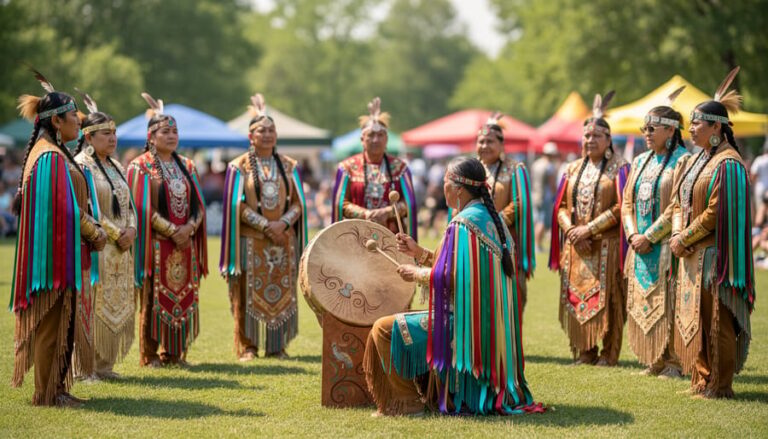
Indigenous research methodologies are reshaping what counts as valid knowledge in intercultural education. Traditional academic approaches are making room for storytelling, land-based learning frameworks, and community-centered ways of knowing. This shift recognizes that Indigenous peoples have been practicing intercultural education for generations, long before Western academia named it. Journals are publishing research that honors these methodologies, often featuring Indigenous scholars as lead authors rather than subjects of study.
Participatory action research is gaining momentum, breaking down the barrier between researchers and communities. Instead of academics studying communities from the outside, more projects now involve community members as co-researchers who help design studies, collect data, and interpret findings. A settlement agency in Edmonton might partner with university researchers to evaluate their programs, with newcomers themselves gathering feedback and analyzing what works.
Technology is transforming both how research happens and what gets studied. Virtual reality simulations are being tested as training tools for intercultural competence. Artificial intelligence raises new questions about cultural bias in algorithms. Online learning platforms create opportunities for cross-cultural exchange but also introduce new challenges around digital equity.
The journals themselves are experimenting with multimedia formats, podcasts, and interactive data visualizations that make research more engaging and accessible. Open-access publishing is slowly becoming more common, though financial barriers remain. What’s clear is that intercultural education research in 2026 looks less like scholars working in isolation and more like dynamic conversations involving diverse voices working toward shared understanding.

These academic journals aren’t just repositories of research, they’re living conversations about how we learn from each other across cultures. Every article published represents someone’s attempt to understand how we can build bridges more effectively, whether in a kindergarten classroom in Winnipeg or a community center in Surrey.
What makes these resources powerful is the two-way street they create. Researchers document what works in real communities, and practitioners ground theoretical insights in lived experience. When an educator in Halifax reads about inclusive pedagogy developed in Vancouver, adapts it for their context, and shares the results, the cycle of learning continues. This exchange strengthens everyone’s ability to create spaces where cultural diversity becomes a source of collective strength rather than division.
The knowledge within these journals belongs to all of us. The settlement worker noticing how newcomer families navigate their first Canadian winter, the teacher observing how students from different backgrounds collaborate on projects, the community leader mediating between groups, your observations matter. They’re the raw material for understanding what actually builds intercultural competence on the ground.
Canada’s story has always been one of people from everywhere learning to live together. These journals help us do that work more thoughtfully, with less reinventing the wheel and more building on what we’ve collectively discovered. Whether you’re reading an article or simply reflecting on what you’ve learned through your own cross-cultural experiences, you’re part of shaping a more inclusive future, one insight, one conversation, one connection at a time.